
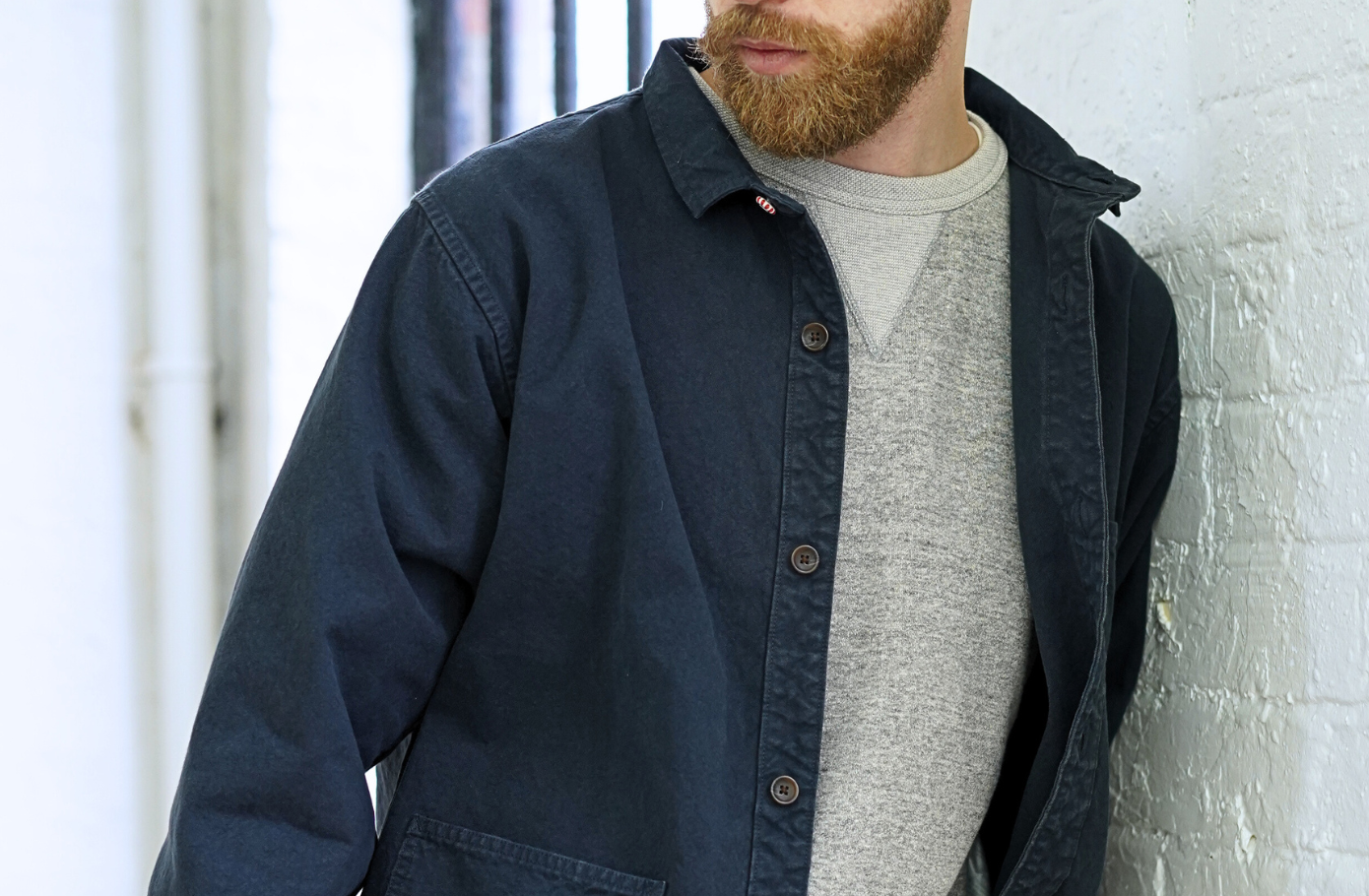
There exists a fascinating intersection between modern fashion and historical craft, where certain traditional processes prove impossible to replicate with contemporary technology. This truth stands at the heart of SEUVAS's decision to embrace logwood dyeing, a centuries-old technique that continues to produce what many consider the perfect navy blue – a color so valuable it once set pirates to sea and shaped the courses of empires.

A Resilient Tradition, Preserved Through Adversity: The Story of Kyoto Mizuai
Delicate blues with strong canvas—The refined, elegant aesthetic of Mizuai reflects the artisanal heritage and attention to detail for which Kyoto is renowned. Our garments, dyed with this rare indigo, embody the unique melding of the rich beauty of Kyoto Mizuai with the strength and endurance of Okayama canvas.

帆布の可能性を切り拓く、児島発ブランド「SEUVAS(ソウバス)」
岡山県倉敷市の児島といえば世界的に有名なデニムの産地。というのは言わずもがなだが、その陰にひっそりと受け継がれてきた別の伝統産業がある。それが「帆布」だ。船の帆という連想から想像されるように、この丈夫な帆布は児島の地で100年以上にわたり織り継がれてきた歴史ある素材である。

Transforming Discarded Textiles into Fashionable Creations
In the textile industry, one significant issue is the disposal of excess textiles produced during the manufacturing process. SEUVAS is addressing this issue by adopting a routine practice of salvaging high-quality textiles and repurposing them into new fashion pieces.

Introducing SEUVAS’ latest iteration of collection, a testament to the allure of matcha-derived dyes.
「"We seek to harness the vitality of plants," says SEUVAS' representative, Tatsuhiro Akashi, speaking to the essence of these garments.
The journey to perfect these matcha-dyed pants involved about half a year of trial and error, resulting in a product distinguished by its gentle hues derived from plant-based pigments.
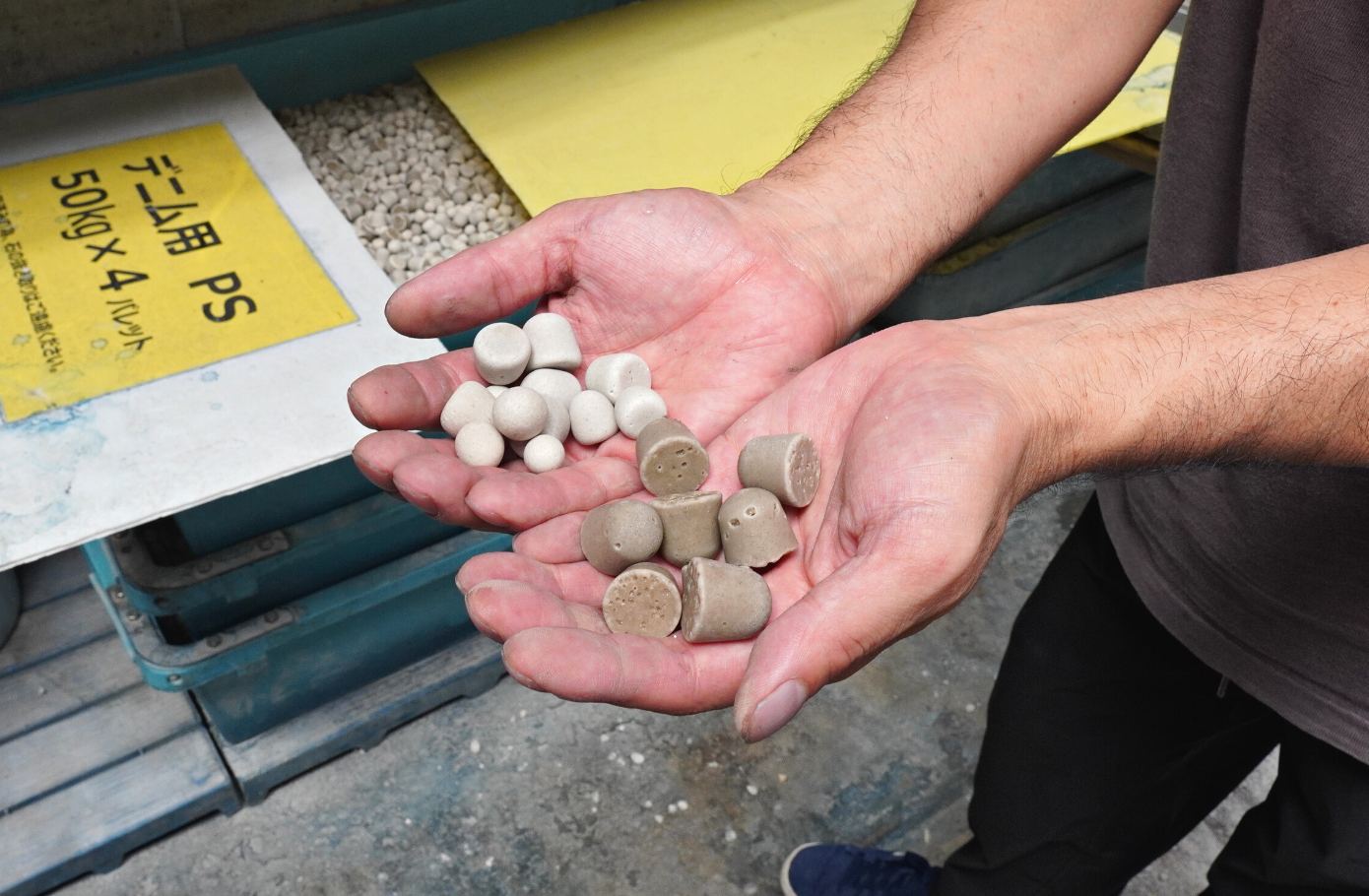
The modern textile industry and general manufacturing is most often not synonymous with sustainable practices or principles. The relatively recent...

Japanese traditional textiles and fabric dyeing is an art that is heavily reliant on the visual perception of color. How these hues, tones, shades, and textures adhere to the textile and give it life, will wholly define the aesthetic impact of the base textile and its eventual finished garment. Generations of Japanese craftsmen dedicated their lives to developing these traditional dyeing techniques, and through this process they were able to establish unique color palettes using locally available materials.
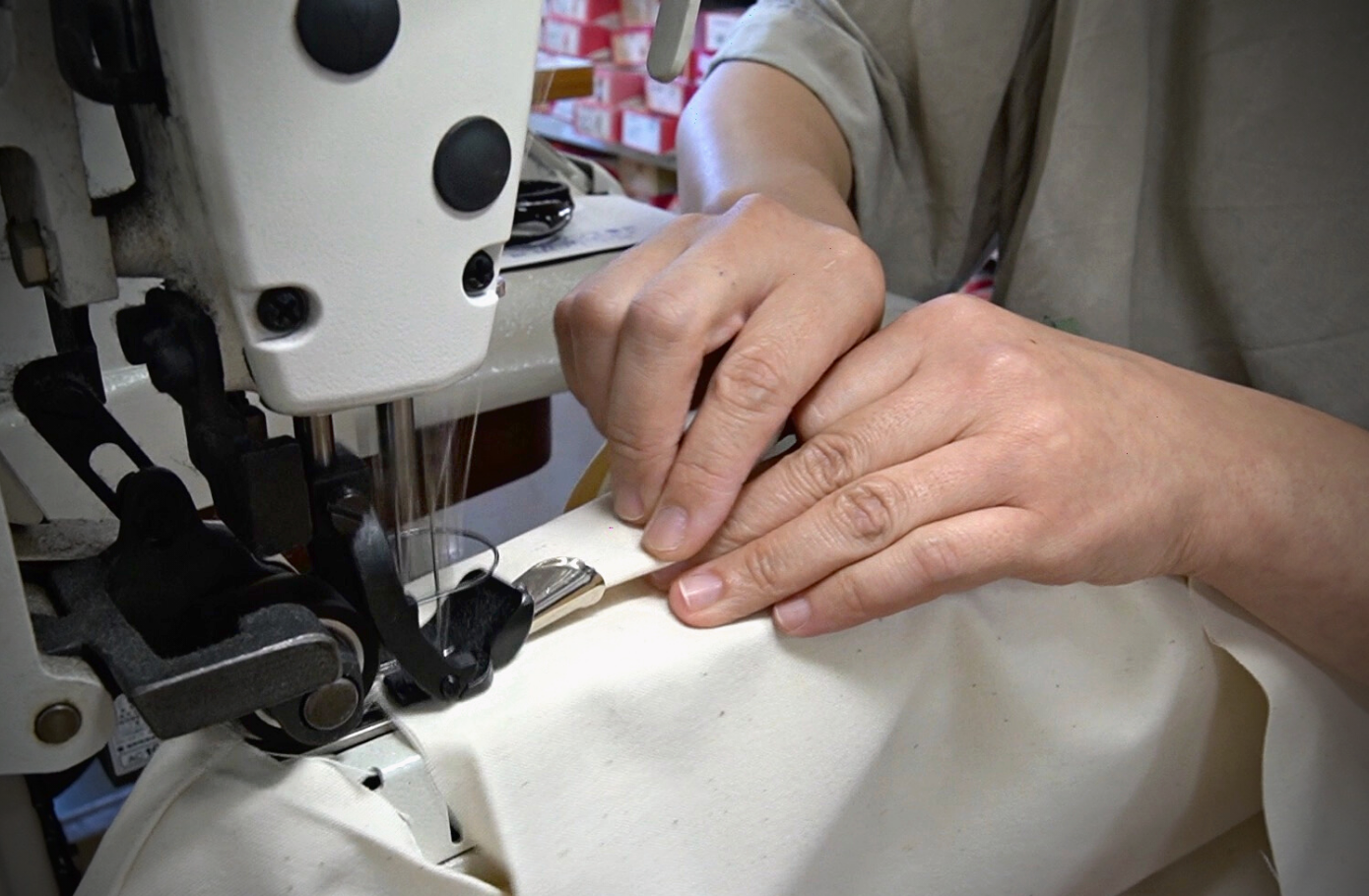
Born in the Spirit of Adaptation Okayama Prefecture’s long tradition of high quality manufacturing was not born out of...